Collaboration with Cooperaccio
On Bodies and Lands: Between Genocide & War
The ongoing Israeli genocide in Palestine has forcefully returned to the center of global political consciousness a reality that dominant international discourses have long attempted to obscure: colonization is not a closed historical chapter, but a living structure that continues to organize power, territory, and life. Across Palestine and, increasingly, Lebanon, Syria, Yemen, and Iran, Israel’s military campaigns are not merely episodic wars, but moments within a broader settler-colonial project that seeks to consolidate absolute control over land, bodies, and political futurity through overwhelming technological, military, and ideological force. The current phase of this project is marked by the convergence of advanced surveillance and weapons systems with an openly articulated doctrine of racialized domination. Gaza, in particular, has been transformed into a laboratory in which techniques of population management, spatial enclosure, and mass killing are tested, refined, and normalized. These technologies -drones, biometric databases, AI-assisted targeting systems- do not only devastate Palestinian life; they circulate globally as “battle-tested” tools of border control, counter-insurgency, and urban policing, embedding the Palestinian experience within the wider political economy of militarized capitalism.
In Lebanon, the resonance of this apparatus is a concrete reality. Decades of invasion, occupation, and aerial bombardment have inscribed Israeli violence onto the country’s landscapes and bodies, from the destruction of villages and agricultural systems to the long-term contamination of soil and water. The escalation that followed October 2023, and the intensification of Israeli attacks on southern Lebanon since September 2025, demonstrate that the same logics of technological warfare and territorial domination developed in Gaza are readily redeployed across the region.
Yet to frame Palestine and Lebanon solely through the lens of suffering risks reproducing the very dehumanization that structures colonial power. These spaces are also, and fundamentally, sites of political steadfastness and collective resistance. Palestine, in particular, has long functioned as a mirror for the international order: reflecting not only the violence of empire and racial capitalism, but also the ethical and political limits of global solidarity. How states, institutions, and movements position themselves in relation to Palestine reveals whether commitments to human rights, anti-colonialism, and feminist justice are grounded in principle or constrained by geopolitical convenience. It is a confrontation that demands not symbolic solidarity, but a rethinking of how global systems of power are sustained, resisted, and, ultimately, dismantled.
In this paper, we center Gaza within ecofeminist and food sovereignty struggles, and place the pager attacks in Lebanon within the same analytical frame, in order to trace how Israeli wars, invasions, occupation, and genocide constitute an intensified and interconnected war on bodies and land. We examine how ecological destruction, technological warfare, and reproductive violence operate together as techniques of settler-colonial domination, reshaping not only territory but the conditions of life itself. We begin by analyzing greenwashing, ecocide, and memorycide in Palestine, then turn to the ongoing assault on Palestinian reproductive rights and social reproduction, before finally situating the pager attacks in Lebanon within this broader regional regime of militarized control.
From an ecofeminist and Marxist-feminist perspective, Palestine occupies a critical analytical position. It exposes the intimate entanglement of settler colonialism, patriarchy, and ecological destruction. The domination of land and the domination of bodies, particularly racialized and gendered bodies, are not parallel processes, but mutually constitutive ones, organized through militarism and the political economy of social reproduction. To stand with Palestine, in this sense, is not to elevate a single struggle above all others, but to confront a concentrated site where the logics of empire, environmental devastation, and reproductive control converge with exceptional clarity.
Greenwashing, Ecocide, and Memorycide: Trees as a Weapon
Since 1948, the Israeli settler-colonial project has systematically used the guise of environmental transformation as a means of erasing Palestinian history. One of the most enduring and internationally celebrated instruments of this process has been the large-scale “forestation campaigns” carried out by the Jewish National Fund (JNF), promoted under the slogan of “making the desert bloom.” These campaigns, however, were not ecological restoration projects. As Palestinian scholars and memory activists have documented, many JNF forests were planted directly over the ruins of depopulated Palestinian villages, using fast-growing, invasive, non-native species, particularly European pine, to cover the remains of homes, cemeteries, wells, and agricultural terraces. This practice constitutes what Palestinians have termed memorycide: the deliberate destruction of the material traces of indigenous history and collective life. The villages of Bayt Nattif and Imwas are emblematic cases. Bayt Nattif lies beneath what is today known as the “President’s Forest,” while Imwas and neighboring villages were transformed into Canada Park after their inhabitants were expelled in 1967. Recreational landscapes thus came to be built atop sites of mass displacement, converting scenes of expulsion into spaces of leisure and national heritage for the settler public. In this sense, forestation functioned not only as environmental intervention but as historical and political overwriting, naturalizing conquest through green cover.
From an ecofeminist and political ecology perspective, this is a form of green colonialism. The selection of pine and eucalyptus, which are species associated with European landscapes and poorly adapted to the eastern Mediterranean ecosystem, reflected both aesthetic preferences and the political urgency of rapid territorial inscription. Leila Sharif’s analysis of JNF forestation shows how afforestation functioned simultaneously as a technology of land control and a narrative device, embedding Zionist sovereignty in the landscape while silencing Palestinian histories.
What was framed as “greening” thus produced a landscape structurally prone to ecological collapse. The attempt to naturalize settler presence through forestation generated a volatile environment whose cycles of burning and regeneration are increasingly governed by climate stress and monoculture fragility. What appeared as conservation was in fact a form of territorial consolidation that undermined the resilience of the landscape itself. This dynamic exemplifies ecocide as a colonial practice: the destruction and remaking of ecosystems in the service of dispossession and the prevention of the right to return. It also constitutes a form of urbanicide, insofar as entire villages and their cultural geographies were obliterated beneath forests and parks, severing the material continuity between people, land, and memory.
Environmental warfare becomes even more explicit in periods of open military assault. Israel’s repeated use of white phosphorus in Gaza and along the Lebanese border illustrates how ecological destruction is folded into strategies of population control. Human rights organizations and UN bodies have documented Israel’s deployment of phosphorus munitions in the 2006 war on Lebanon and again during the 2008-2009 assault on Gaza, as well as in the escalation following October 2023, noting their incendiary effects on agricultural land, forests, and civilian infrastructure. In southern Lebanon, olive groves and fruit orchards have repeatedly been turned to ash, not only wiping out a season’s harvest but damaging the land for years to come. Farmers report that soil exposed to white phosphorus often “does not bear fruit again for a long time,” as nutrients are stripped and toxic residues persist. This destruction echoes earlier phases of Israeli violence: during the occupation of southern Lebanon from the 1980s until 2000, crops were deliberately burned and large areas were seeded with landmines, creating long-term ecological and bodily hazards that continue to shape rural life.
Similar practices are visible in Palestine. In Gaza and the West Bank, agricultural land has long been a target of military and settler violence. Since 1967, Israeli authorities and settlers have uprooted hundreds of thousands -by some estimates over a million- olive trees, often under the pretext of “security” or collective punishment. During the 2023-2024 assault on Gaza, bombardment and incendiary munitions ignited wide areas of the Strip’s remaining farmland, accelerating fires and further degrading already fragile soils. In both contexts, the environment and the people are co-victims of a strategy that treats land not as a living basis of collective survival, but as a military variable to be neutralized.
In Lebanon, the scale of this ecological assault has been stark. By March 2024, the Ministry of Agriculture and the National Council for Scientific Research reported that at least 2,000 hectares of forests and farmland had burned as a result of Israeli strikes, many involving white phosphorus, transforming once-green border hills into a scorched buffer zone. The objective appears not only tactical but environmental: to render territory uninhabitable, to erode the material conditions of rural life, and to displace communities by destroying the ecosystems on which they depend. This is why many in Lebanon describe Israel’s tactics as “weaponizing the environment.”
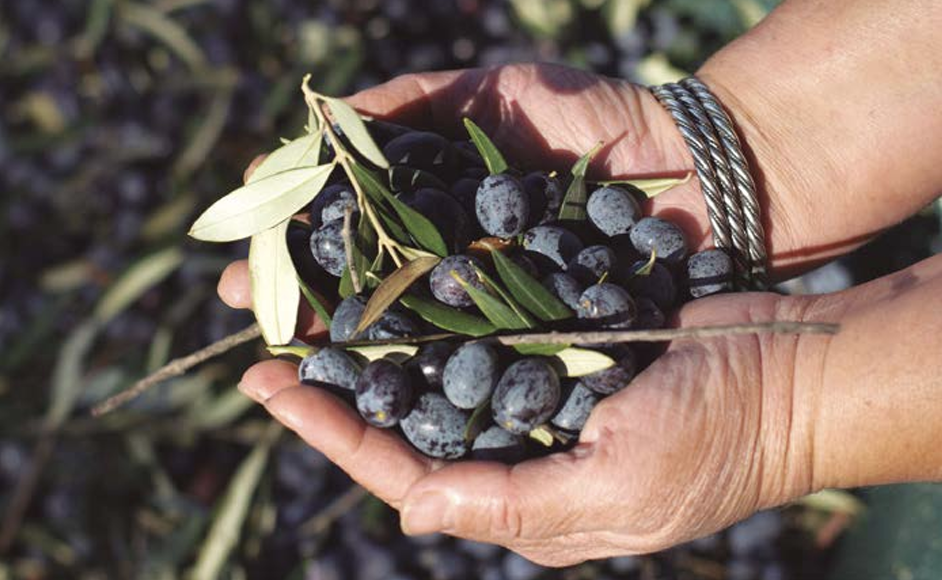
From an ecofeminist standpoint, land is a living foundation of social reproduction. The burning of orchards, poisoning of soil, and destruction of water systems directly undermine the gendered labor of care, cultivation, and sustenance, disproportionately affecting women who tend household gardens, preserve seeds, gather wild herbs, and sustain family food systems. Ecological devastation thus becomes inseparable from bodily and reproductive violence, linking the war on land to the war on life.
Reproductive Health as a Colonial Tool
Ecofeminist theory has long drawn connections between the control of the earth and the control of women’s bodies. In colonial and militarized contexts, domination does not stop at governing the present population; it extends to regulating, damaging, or preventing the reproduction of future generations. This logic has been documented across settler-colonial regimes, where demographic engineering, sexual violence, and the destruction of maternal and infant health systems function as techniques of elimination and control. In Palestine, reproductive harm must be understood within this broader structure of colonial governance over life itself.
One dimension of this violence is direct physical injury to reproductive organs. During the Great March of Return in Gaza in 2018, international medical organizations and UN investigators documented a striking pattern of sniper fire causing complex pelvic and lower-abdominal injuries, including testicular destruction and uterine trauma. Doctors working with Médecins Sans Frontières and the World Health Organization reported that a significant proportion of those shot suffered life-altering reproductive damage, and that some women and girls required emergency hysterectomies due to shrapnel and bullet wounds. While Israeli authorities framed these injuries as incidental, Palestinian medical professionals and human rights observers noted the concentration of shots to the pelvis and lower body, raising concerns about systematic maiming with long-term reproductive consequences.
Pregnant women have also been directly exposed to lethal violence. Human rights organizations have documented cases during the Second Intifada and subsequent assaults in which pregnant Palestinians were shot at checkpoints or during military operations, resulting in the deaths of both mothers and fetuses. The infamous 2009 scandal involving Israeli soldiers’ T-shirts depicting a pregnant woman in a rifle’s crosshairs with the slogan “1 Shot 2 Kills” revealed how the killing of a pregnant woman was framed, within segments of the military culture, as the elimination of two lives at once. This symbolism resonates with what scholars of genocide identify as a logic of attacking the womb as a site of collective continuity.
These patterns have acquired legal significance. In its 2023 submission to the International Court of Justice, South Africa accused Israel of violating Article II(d) of the Genocide Convention, which prohibits “imposing measures intended to prevent births” within a protected group. The submission cited not only direct attacks on pregnant women, but also the conditions imposed on Gaza’s health system that force doctors into life-saving but fertility-ending procedures. Due to the destruction of hospitals, shortages of anesthesia, blood, and surgical equipment, obstetricians have reported having to perform emergency hysterectomies on young women with treatable injuries or complications, permanently ending their ability to bear children.
At the population level, medical data indicate a sharp deterioration in maternal and neonatal health. The World Health Organization, UNFPA, and peer-reviewed studies in The Lancet and BMJ Global Health have documented significant increases in miscarriages, stillbirths, and premature births in Gaza under conditions of siege, malnutrition, and psychological trauma, with some reports indicating rises of 25-30 percent in preterm delivery during periods of intense bombardment. Michael Fakhri, the UN Special Rapporteur on the Right to Food, has argued that when infants begin to die from hunger, dehydration, or the collapse of obstetric care, the attack is no longer only on individuals but on the social and biological reproduction of a people.
Reproductive control has also taken bureaucratic and biomedical forms. The coerced administration of long-acting contraceptives (Depo-Provera) to Ethiopian Jewish women in Israel, revealed in 2013 through investigations by Israeli and international media and confirmed by the Israeli Ministry of Health, demonstrated how racialized populations deemed “demographically undesirable” were subjected to population-limiting policies without informed consent. Feminist scholars and human rights advocates have interpreted this case as evidence of a broader state logic of demographic management, one that casts certain groups as threats to the desired population balance. Within this framework, Palestinians have long been explicitly framed by Israeli political discourse as a “demographic problem,” rendering their reproduction a site of securitized governance.
Reproductive justice, in this sense, is inseparable from ecological and political justice. It concerns the right of a community to regenerate itself in safety, dignity, and continuity. As Palestinian feminists have long insisted, to give birth under siege is itself an act of endurance and refusal. The saying “to exist is to resist” is not metaphorical: it names a struggle over futurity itself. When land is rendered infertile and wombs are rendered unsafe, the same colonial logic is at work. Patriarchy and militarism treat both territory and women’s bodies as conquerable spaces. In Palestine, uprooted trees and threatened wombs are part of a single political landscape, where the struggle for bodily autonomy is inseparable from the struggle for collective self-determination.
BodyTerritory: the corporeality of the pagers attack
Not far from what was happening in Gaza, and as a response to fighting Israel following its genocide in gaza, on September 17, 2024, thousands of pagers used by members of the Lebanese political party, Hezbollah detonated simultaneously, followed the next day by explosions from walkie-talkies. In the days that followed, casualties rose sharply as Israeli airstrikes expanded across the country into a full-fledged war, lasting around months. A total of 42 people were killed and more than 3400 injured, including children and other civilians who were close to the devices when they exploded but were not affiliated with the political party. This marked the deadliest day since Lebanon’s civil war from 1975 to 1990, at a scale “far greater” than that of the Beirut port blast some four years earlier, the largest non-nuclear explosion in human history, which left more than 7,000 injured. The Lebanese Health Minister Firas Abiad stated at a press conference that “the overwhelming majority were unarmed people in their homes.” These explosions could, according to Human Rights Watch researcher Ramzi Qais “constitute a war crime.” Even when Qais characterized the bombings as “unlawfully indiscriminate,” noting that international law bans the use of such explosive devices, the meaning and effect of such explosions have not been well discussed in the media or by academia.
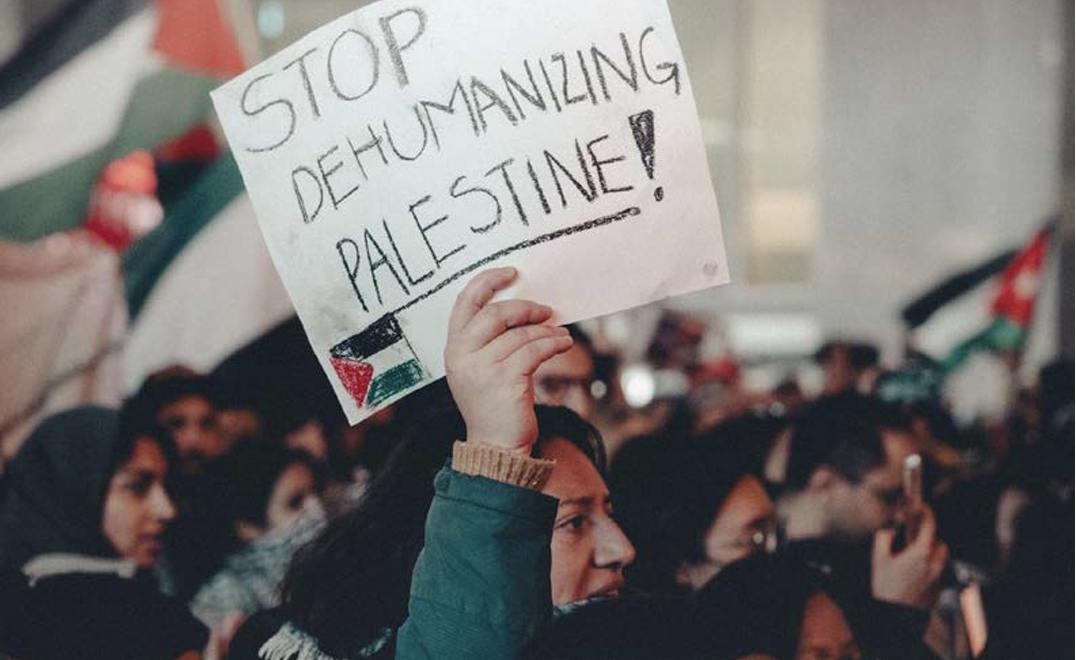
Israeli genocide, occupation and wars target both bodies and landsterritories, with the aim of killing and destroying. We argue that, with the pagers attack, an intensified political plan unfolded, predicated on the use of the living bodies as a tool: the attacks were not planned to kill, but to keep the victims alive as living witnesses, while leaving scars of heavy physical, emotional, and political nature. The intention was to maim the bodies, making them a burden of increased care work, specifically carried by the women in the community, and a daily proof, a visual, physical and tangible memory and witness of israel’s superiority. The attack was not only a way of humiliating and breaking a people at the exact moment of the attack, it was inherently a daily reminder of this humiliation.
In this sense, it is the daily affirmation of a corporeality of political defeat, of the victory of the colonial project. In a country of around 5 million people, the existence of 3400 individuals carrying scars on their faces and hands (the majority of the injuries), body parts that one does not hide under clothes but uses for communication, is a spatial anchoring of the event: the victims will be seen around the cities and villages, and their bodies will become part of the urban and rural landscape. Additionally, these two body parts are crucial for social life and work. As we have mentioned before, unlike the body’s core, they are not hidden, even for veiled women. Actually the only parts veiled women can show are the hands and face. This brings us to the idea that the victims will be continuously seeing their own mutilated fingers, hands, faces and eyes, and showing them to the others. Simultaneously, the pagers attacks threw a large number of the 3400 victims into unemployment, in a country crushed by wars, explosions and an economic crisis, and a job market which is completely alien to inclusivity.
On the other hand, the psycho-political insinuation of the eyes and the hands. The eyes, the gaze in Lacanian terms, turn the subject into an object. Targeting the eyes in these explosions then is an attempt to remove the victims’ ability to turn what they look at into an object, to remove their ability to turn the colonizer into an object. It wants to steal from their hands and fingers their ability to work, to write and plan against the colonizer, and to point at him with their fingers. They are both tools for expressing and communicating. Eyes and fingers are ways through which our two primary senses perceive the world, what is real. We can’t believe something exists unless we can see it and touch it. The Israeli targeting of both is an attempt to disconnect the victims from the world, from reality, and to propel them into a reality Israel has created.
One year after the pager attack, only six of the thousands who were injured were able to speak to the media. However, their accounts offered a clearer picture of their resilience and the growing responsibilities they faced. We focused in particular on the stories of women injured in the attack, all of whom emphasized their determination and commitment to working harder to remain independent. In addition, several accounts highlighted the experiences of women whose husbands or children were injured, revealing the significant increase in care work and caregiving responsibilities placed upon them. In October 2025, a car was bombed by Israel in south Lebanon. “The martyr Zainab Raslan was a teacher at the Al-Mabarrat Association. When her husband, the martyr engineer Hassan Atwi, was injured in the Pagers Massacre and lost his sight, she left her job and devoted herself to caring for him and their three children.” This was one of the emerging accounts highlighting the growing burdens placed on women, whether as a result of war injuries or the pager attacks. As men and children are targeted, women are left to shoulder the responsibility of caring for the wounded, often forced to alter their life plans-working more, leaving employment, and providing sustained emotional and physical support.
By overloading women, who form the unapologetic backbone of the community, Israel wishes to undermine the community’s capacity to remain steadfast and resist. Finally, the pagers attack is a clear endeavour towards weakening the community that holds, supports and houses a resistance movement. This weakening process is not limited to the direct elimination of individuals, neutralizing them, or even burdening the community with new care responsibilities, but to also turn them into weakened and underprivileged members of their community. The greater the distance of individual bodies from the normcenter, the less power and privilege they are allowed to hold: the attack is a punishment of the supposed supporters or members of the political party, proud and respected members of the shia community, to become frail and incapacitated members, who can neither have a normal social life, or a political one. 3400 individuals who, for the longest term, need aid, help and assistance is not a small thing: by being weak, they have weakened the whole community.
Flaunting its superiority, criminality and power, the colonizer has carefully planned the pagers attack as a spectacle of empire. But it is a spectacle planned to linger in the minds, lands, and bodies of the community under occupation and wars.
Conclusion: honouring life, Ahlan wa Sahlan – through people and lands
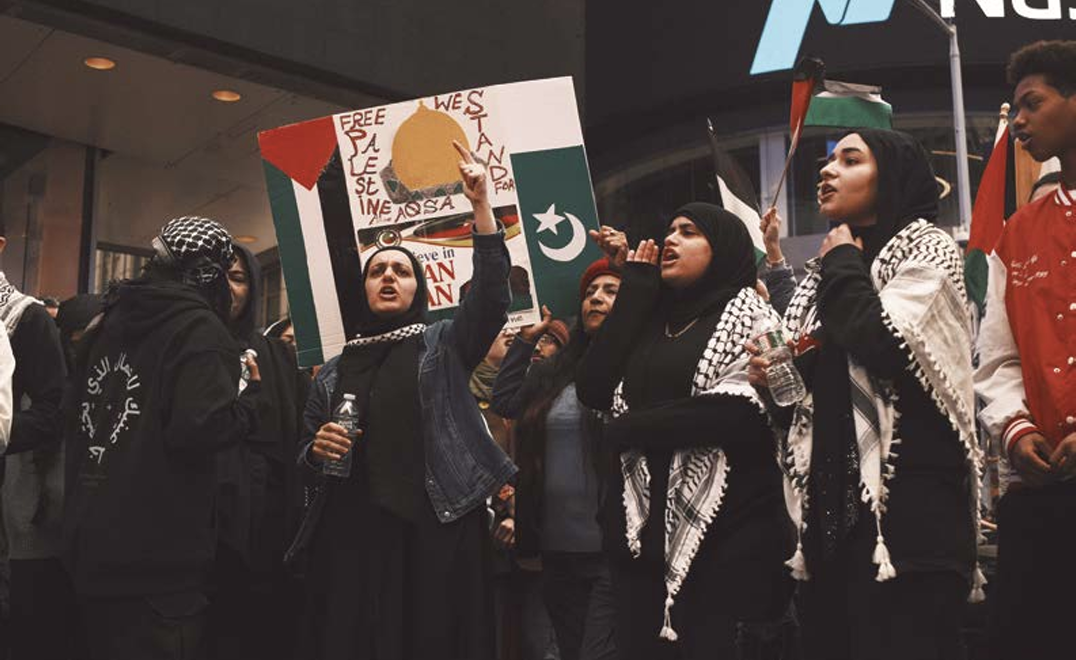
What is unfolding in Lebanon and in Palestine -particularly in Gaza- is not an isolated instance of genocide, ecocide, or war. The pager attacks, the burning of children, and the targeting of pregnant women are not isolated military events in history, but signals of an intensified form of violence-it is testing the waters for how far state violence can go while the world watches.
We are not free until all of us are free, until all of our bodies and lands are. The same forces that oppress Palestinians (colonialism, racism, patriarchal militarism) are at work in the oppression of other peoples – whether it’s migrants from Africa drowning in the Mediterranean due to Fortress Europe’s policies, or indigenous communities in the Amazon facing land theft and violence by extractive companies. These are all manifestations of a system that values profit and power over life and dignity. The Mediterranean has become a mass grave, with over 25,000 migrants drowned since 2014 attempting to reach Europe. This is not a natural disaster; it’s policy-driven – much like famine in Gaza is not a natural occurrence but imposed. The EU invests in high-tech border surveillance (guess who supplies a lot of drones and sensors? Israeli firms, often using tech tested in Gaza or West Bank). So there is a direct line: the necropolitics that decide some lives are expendable – be it Palestinians under blockade or African migrants at sea – are part of one global structure.
We will end by honoring the resilience of those on the ground: Palestinians in Gaza, despite enduring what can only be described as an attempt to annihilate them (food, water, homes, all taken), still assert their humanity – they share recipes and feed each other in rubble as Michael Fakhri’s report noted, they name their newborns even during bombardment as an act of faith in the future, and they call out to us to witness and act. Similarly, refugees from Africa do not give up; they form communities in camps, they protest at detention sites, they hold onto hope of a better life. Women in both contexts often lead these quiet resistance acts – cooking a communal meal with scant supplies, telling stories to children to soothe their trauma, organizing protests and mutual aid.
Notes & References
Patrick Wolfe, “Settler Colonialism and the Elimination of the Native,” Journal of Genocide Research 8, no. 4 (2006): 387-409.
Antony Loewenstein, The Palestine Laboratory: How Israel Exports the Technology of Occupation Around the World (London: Verso, 2023).
Human Rights Watch, Fatal Strikes: Israel’s Indiscriminate Attacks Against Civilians in Lebanon (New York: HRW, 2007).
United Nations Interim Force in Lebanon (UNIFIL), Reports on the Situation in Southern Lebanon, 2023-2025.
Edward Said, “The Question of Palestine,” in The Question of Palestine (New York: Vintage, 1979).
Silvia Federici, Caliban and the Witch: Women, the Body and Primitive Accumulation (New York: Autonomedia, 2004); Nadera Shalhoub-Kevorkian, Incarcerated Childhood and the Politics of Unchilding (Cambridge: Cambridge University Press, 2019).
Noga Kadman, Erased from Space and Consciousness: Israel and the Depopulated Palestinian Villages of 1948 (Bloomington: Indiana University Press, 2015).
Walid Khalidi, All That Remains (Washington, DC: IPS, 1992).
Leila Sharif, “Vanishing Palestine,” Critical Ethnic Studies 2, no. 1 (2016): 17-40.
Rob Nixon, Slow Violence and the Environmentalism of the Poor (Harvard, 2011).
Sari Hanafi, “Urbanicide in Palestine,” Current Sociology 2004.
Human Rights Watch, Rain of Fire: Israel’s Unlawful Use of White Phosphorus in Gaza (2009); Amnesty International, Lebanon: Israel’s Use of White Phosphorus (2023).
United Nations Environment Programme, Lebanon Post-Conflict Environmental Assessment (Nairobi: UNEP, 2007), on landmines, burned fields, and long-term ecological impacts of the 1980s-2000 occupation.
B’Tselem, “Agricultural Sabotage: The Destruction of Palestinian Olive Trees,” database and annual reports, documenting large-scale uprooting since 1967.
Food and Agriculture Organization (FAO) and UN OCHA, Impact of Hostilities on Gaza’s Agricultural Sector (Rome/Jerusalem, 2024).
Suzanne Baaklini, “Biodiversity in danger: Israeli strikes burn over 2,000 hectares in southern Lebanon,” L’Orient Today, November 2024; National Council for Scientific Research-Lebanon (CNRS-L), satellite fire-mapping briefs, 2024.
Norwegian Refugee Council, “A Lost Harvest: The Shadow of War Looms over Lebanese Farmers,” January 2025.
FAO, “Mediterranean Forest Fires: A Regional Perspective,” in Fire Management in the Mediterranean Region (Rome: FAO, 2013), on carbon release, biodiversity loss, and soil degradation following large-scale fires.
Médecins Sans Frontières, Gaza: A Health System on the Brink, 2018; WHO, Health Conditions in the Occupied Palestinian Territory, 2018.
UN Human Rights Council, Report of the Commission of Inquiry on the 2018 Protests in the Occupied Palestinian Territory, 2019.
Amnesty International, Israel and the Occupied Territories: Excessive Use of Lethal Force, various reports.
Haaretz, “IDF Soldiers’ T-Shirts Joke About Killing Pregnant Women,” 2009.
International Court of Justice, Application of the Convention on the Prevention and Punishment of the Crime of Genocide (South Africa v. Israel), Provisional Measures, 2023-2024.
UNFPA, Gaza Situation Reports on Maternal Health, 2023-2024.
The Lancet, “Health Consequences of War in Gaza,” 2024; BMJ Global Health, “Maternal and Neonatal Outcomes under Siege,” 2024.
Michael Fakhri, UN Special Rapporteur on the Right to Food, Statements to the Human Rights Council, 2023-2024.
The Guardian, “Israel Admits Ethiopian Women Were Given Birth Control Without Consent,” 2013; UN CERD Concluding Observations on Israel, 2019.
A pager is a compact, portable wireless communication device used by civilians, healthcare workers, and other users to communicate within organizations or across different systems. Powered by rechargeable batteries, it can receive text messages, calls, as well as audio and visual alerts.
“The doctor said that the injuries were unlike anything they had seen before, mainly wounded eyes and hands, a result of patients looking at their pagers before they exploded. ‘Never do you have eye emergencies at this frequency. It’s transforming 2,000 people into disabled [people] at the same time,’ another doctor at the Hotel-Dieu hospital said.” (The Guardian, September 18, 2024)
“The day after the bombing, we spoke with veteran ophthalmologist Dr. Elias Warraq, who told us that the number of eyes he removed in a single night exceeded the total number he had removed in his entire medical career. ‘Most of the victims were young people in their twenties, and in some cases, I had to remove both eyes,’ Warraq said. According to the United Nations, around 500 people suffered serious eye injuries in those attacks.” (BBC News Arabic)
Shia: A Muslim sect in Lebanon, Syria, Iraq and Iran. Hezbollah, a sectarian political party, belongs to this sect.
Ahlan wa Sahlan: An Arabic idiom that means “by people and land.” This expression, used to mean “welcome,” expresses welcoming strangers to one’s lands and community, as a member of the community and a user of the land.